
 English
 Español
 عربى
عربى русский
Contáctenos
Su dirección de correo electrónico no será publicada. Los campos obligatorios están marcados *
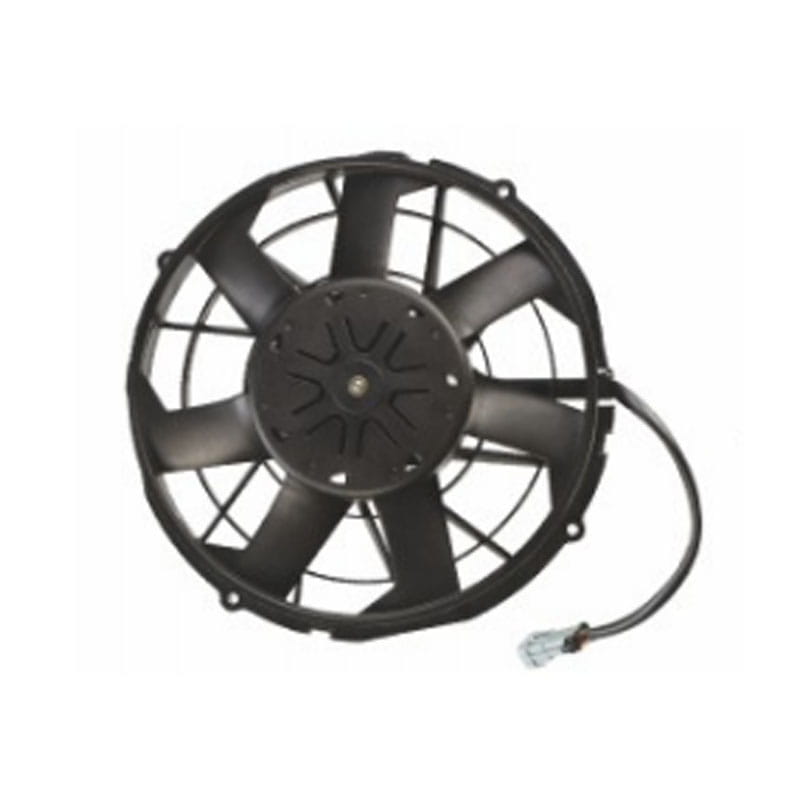
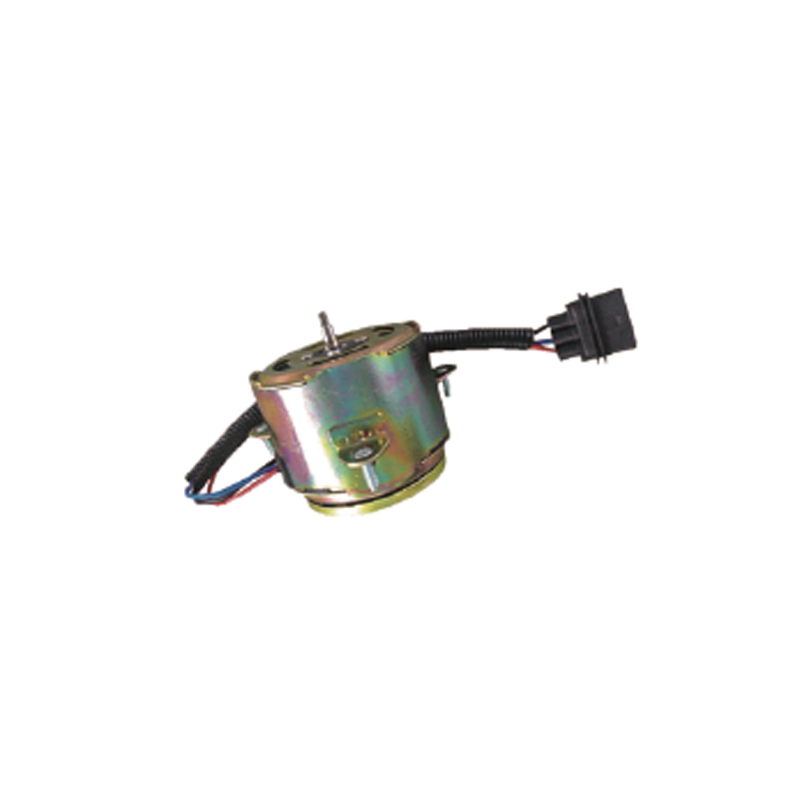
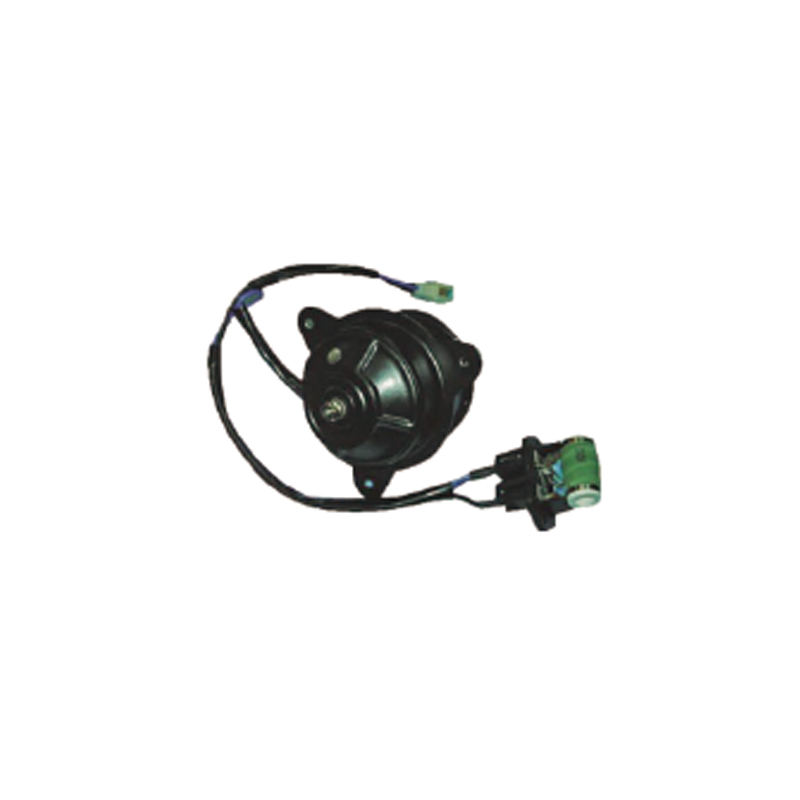
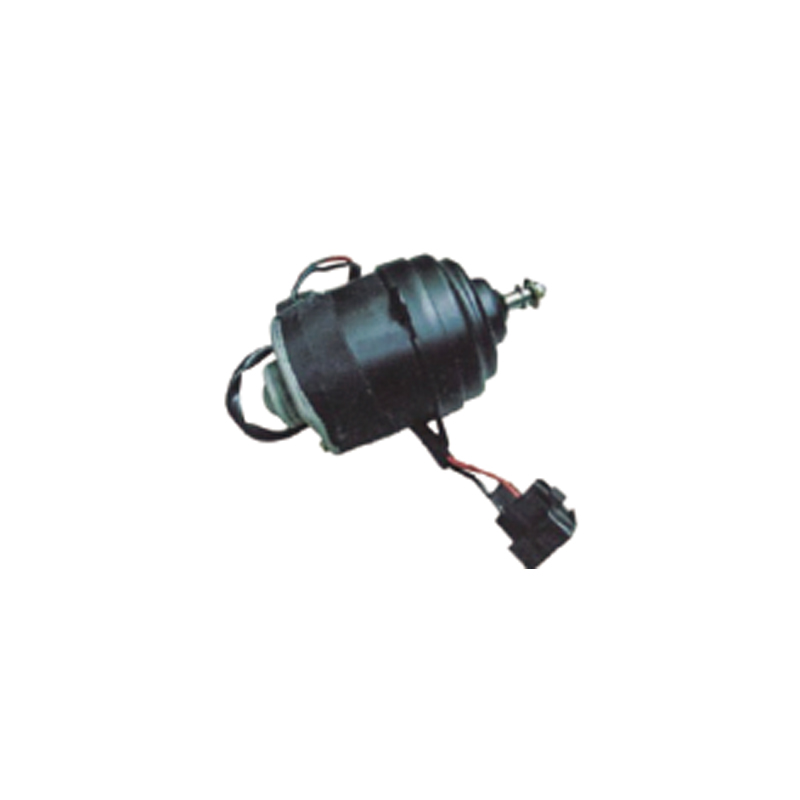
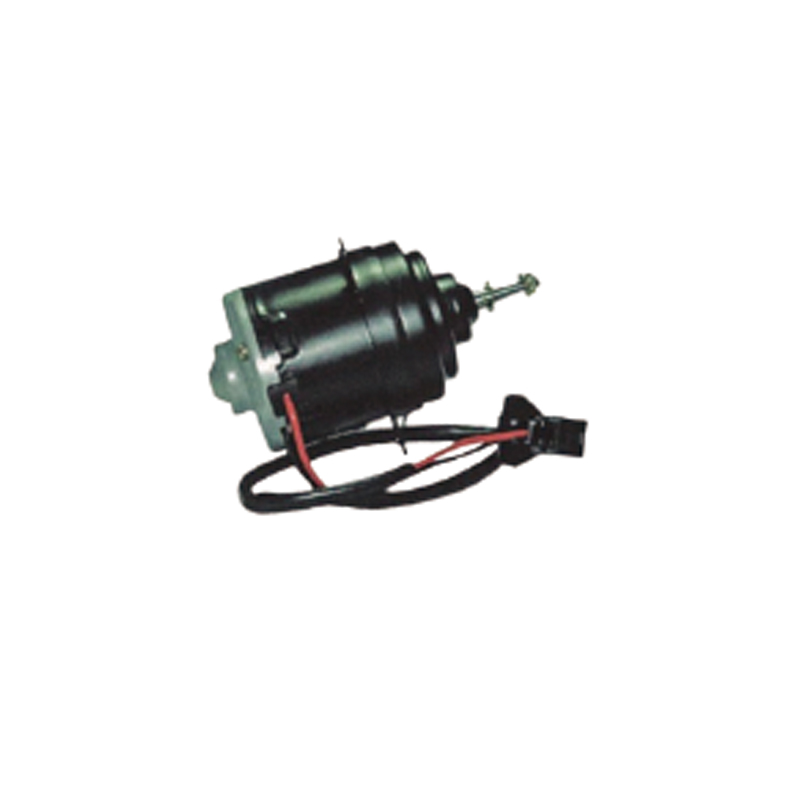
Selecting the right tank radiator fan is not about choosing the cheapest option or the one with the highest RPM. It is about matching static pressure, airflow dynamics, and motor durability to the specific thermal load of a diesel engine or heavy-duty vehicle. This guide breaks down the engineering considerations that matter most for radiator cooling fan performance.
The most common mistake in selecting a cooling system fan is prioritizing free-air airflow (CFM) over static pressure. A radiator core is a dense matrix of fins and tubes that creates significant resistance to airflow. This resistance is measured as static pressure (mmH₂O).
An axial radiator fan optimized for high static pressure uses blade designs with steeper angles and tighter clearances to force air through obstructions. A fan moving 1600 CFM in free air may drop to less than 800 CFM when mounted against a dense 20 FPI (fins per inch) radiator core. For industrial radiator fan applications, look for fans with a static pressure rating of at least 1.5 mmH₂O for standard cores, and over 3.0 mmH₂O for high-density fin stacks.
Key Metric: Static pressure is the true measure of a tank Radiator fans ability to cool under load. High CFM is secondary to high mmH₂O when the fan is mounted against a radiator.
For engine cooling fan applications in tanks and heavy machinery, the choice between mechanical (belt-driven) and electric radiator fan systems is critical. Mechanical fans are engine-speed dependent, meaning they underperform at idle and waste energy at high RPM. Modern heavy duty radiator fan assemblies increasingly favor electric motors for precise control.
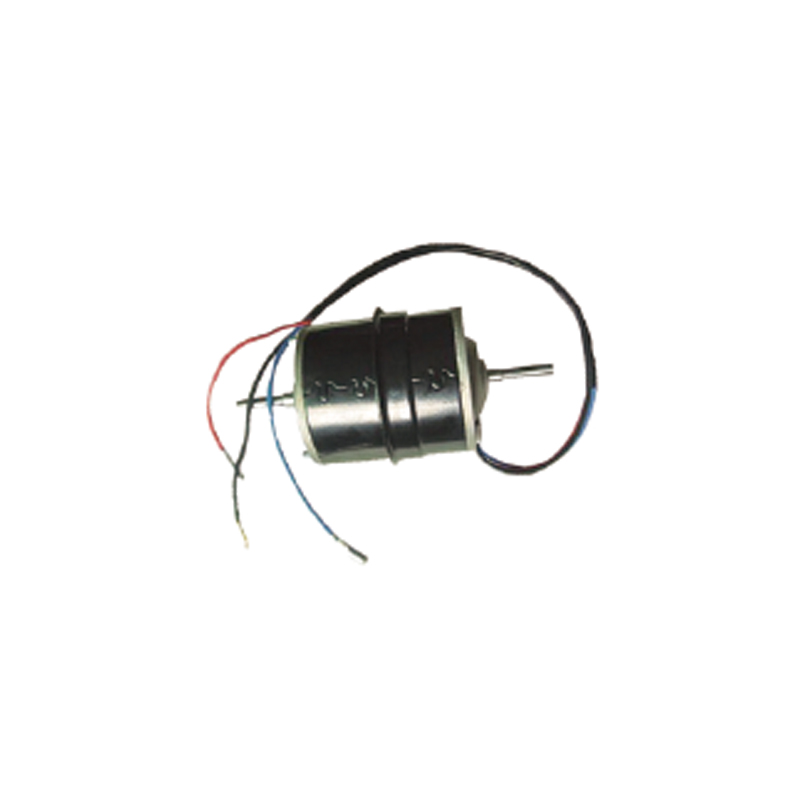
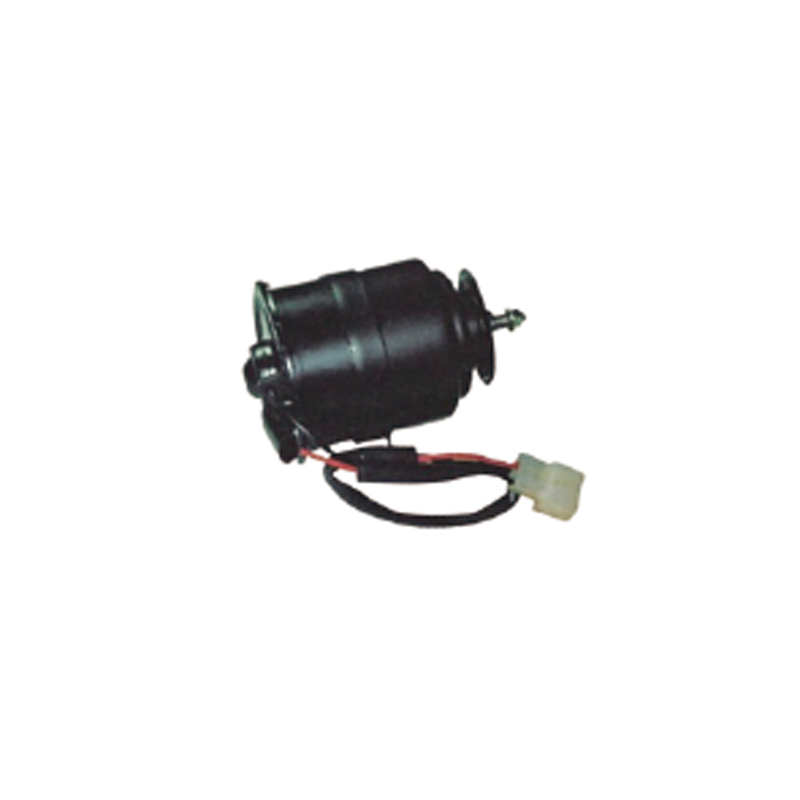
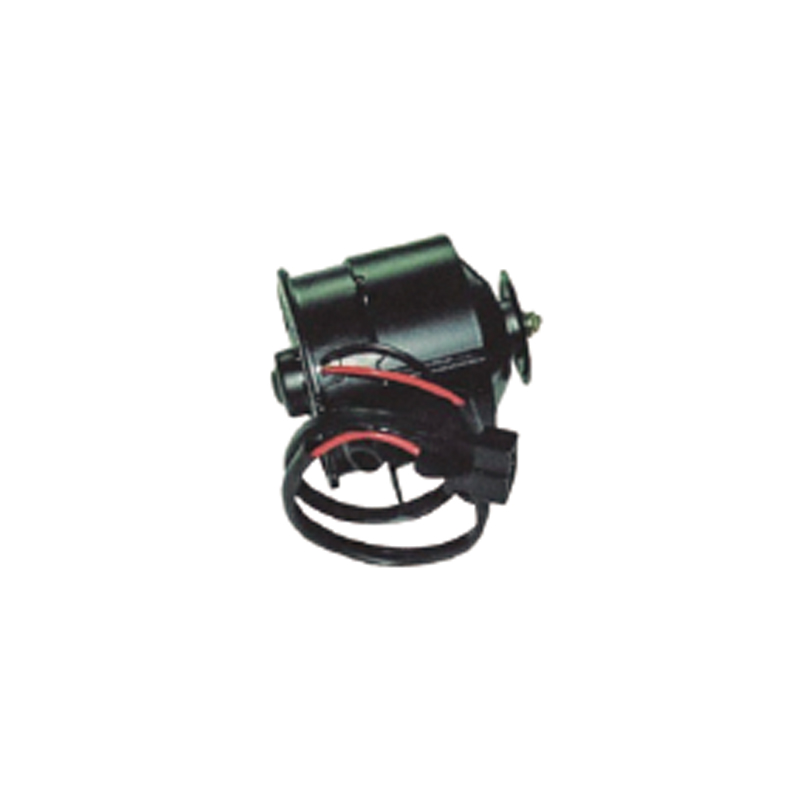
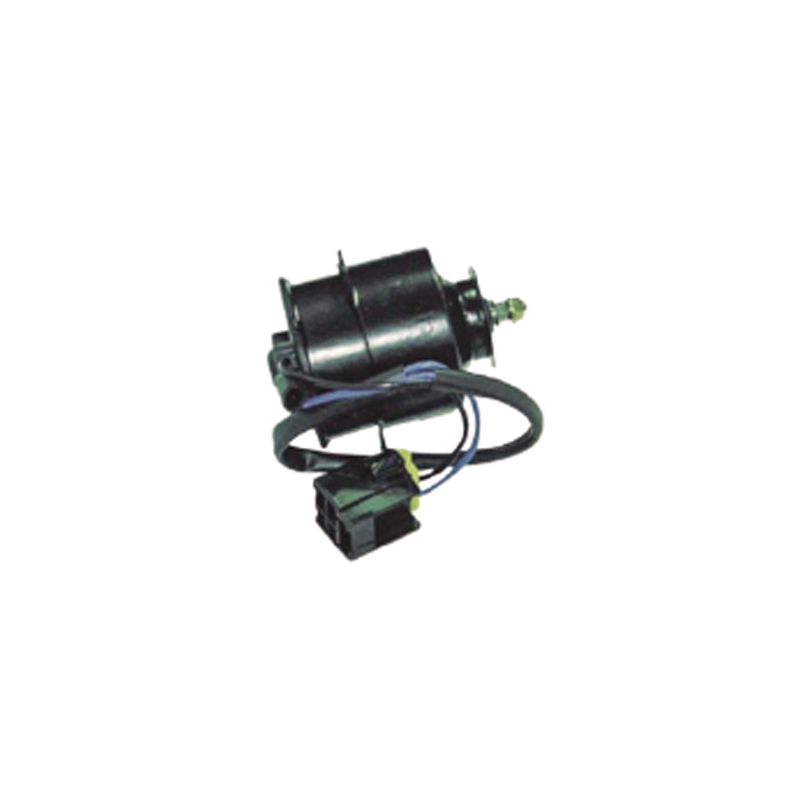
Modern radiator fan assemblies often use brushless DC radiator fan motors, which offer higher efficiency and longer service life than brushed alternatives, making them ideal for tank cooling fan duty cycles.
The aerodynamic efficiency of a cooling fan is determined by its blade geometry. For industrial cooling fan applications, the number of blades, their curvature, and tip clearance directly impact both airflow and noise levels.
Optimized blade designs typically feature 8 to 11 blades for heavy-duty applications. Research on diesel engine radiator fan systems has shown that increasing blade count improves static pressure but may reduce overall efficiency at high speeds. A well-designed 8-blade axial radiator fan can achieve up to 20% higher airflow efficiency compared to older 6-blade designs.
A heavy duty radiator fan must maintain performance across a wide temperature range. For diesel engine radiator fan applications, this means consistent airflow at ambient temperatures from -30°C to over 50°C.
Industrial environments require fans rated for continuous duty. A cooling system fan that is only rated for intermittent operation will fail prematurely when used in demanding applications such as mining equipment or military vehicles. Look for fans with sealed ball bearings and robust motor windings designed for 24/7 operation.
Hydraulic Radiator Fan
Ideal for variable speed control; offers high torque at low RPM; widely used in heavy machinery where engine speed fluctuates.
DC Radiator Fan
Provides precise PWM control, low noise, and high efficiency; best for applications where fuel economy and quiet operation are priorities.
AC Radiator Fan
Robust and simple; ideal for stationary industrial equipment with stable power supply; lower cost but less speed flexibility.
Tanks and heavy equipment operate in harsh conditions. A radiator cooling fan must withstand mud, water spray, dust, and extreme temperature swings. The motor housing and electrical connections are particularly vulnerable.
For off-road and military applications, an IP rating of at least IP67 is recommended for the electric radiator fan assembly. IP67 means the fan is dust-tight and can survive temporary immersion in water. Lower IP ratings may be acceptable for stationary industrial use, but always verify the rating against the actual operating environment.
While not always a primary concern for industrial machinery, excessive noise from a cooling fan can indicate inefficiency or imbalance. For industrial cooling fan installations in enclosed spaces or near personnel, noise reduction is a key selection factor.
Factory-balanced radiator fan assemblies produce lower vibration, which extends motor bearing life and reduces structural fatigue on mounting brackets. Isolators such as rubber grommets between the fan and radiator frame can reduce transmitted vibration by up to 40% .
For battery-powered or hybrid military vehicles, every watt of power consumed by the engine cooling fan is a trade-off against range and performance. High-efficiency DC radiator fan designs with brushless motors can achieve efficiency ratings above 85% , while older brushed designs often operate below 65%.
The radiator fan assembly must integrate seamlessly with the overall cooling system. Factors such as fan diameter, mounting hole pattern, and shroud depth are as critical as electrical performance.
For mission-critical applications, the reliability of a heavy duty radiator fan is quantified by MTBF (Mean Time Between Failures). Look for fans with MTBF ratings exceeding 50,000 hours at operating temperature, as these are more likely to withstand the rigors of continuous use.
Reliability Tip: Bearing type is the biggest predictor of MTBF. Ball bearings typically last 2 to 3 times longer than sleeve bearings in high-temperature applications, making them preferred for diesel engine radiator fan systems.
Modern electric radiator fan systems often include built-in sensors for speed feedback, temperature monitoring, and fault detection. For integration with engine control units (ECUs), a fan with a PWM (Pulse Width Modulation) input or LIN bus compatibility is essential.
While often used interchangeably, a cooling fan is a broad category, while a radiator cooling fan specifically refers to fans mounted on or near radiators to pull air through the core. In the context of tanks and heavy vehicles, a radiator fan is a sub-type of cooling fan optimized for high static pressure.
Standard industrial cooling fan designs often prioritize airflow over static pressure, making them ineffective when mounted against a dense radiator core. For tank applications, choose a fan explicitly engineered as a heavy duty radiator fan with high static pressure and robust motor construction.
Measure the core area of your radiator. The fan's swept area should cover at least 70% of the core surface. For optimal performance, the fan shroud should direct all airflow through the core. Most radiator fan assemblies are offered in standard sizes that match common core dimensions.
Yes, for continuous-duty applications. DC radiator fan systems with brushless motors offer higher efficiency, longer life, and better speed control than brushed designs. The reduced maintenance and lower power consumption often offset the initial premium.
Regularly inspect the fan blades for damage, clean debris from the radiator core, and check the electrical connections. For fans with greaseable bearings, follow the manufacturer's lubrication schedule. Most modern cooling system fan motors are sealed and require no routine lubrication.
Air density decreases at higher ambient temperatures, reducing the mass airflow delivered by the fan. A diesel engine radiator fan should be selected with a derating factor to ensure adequate cooling at maximum expected ambient temperature. Typically, a 5% to 10% performance derating is assumed for every 10°C above 20°C.
Su dirección de correo electrónico no será publicada. Los campos obligatorios están marcados *

Zhejiang Nicety Electric Machinery Co., Ltd. se especializa en la producción de cuatro series de productos: ventilador electrónico de condensador, ventilador de radiador (tanque de agua), soplador y conjunto de aire acondicionado.
Correo electrónico: [email protected] / [email protected]
Teléfono: +86-0578-7125439 / +86 181 0658 9231
Dirección:No. 98, Calle Guangda, Zona Industrial Jinsha, Ciudad de Longquan, Provincia de Zhejiang, China